Dream Pop Was Named by One Band and Defined by Another
Will Lisil
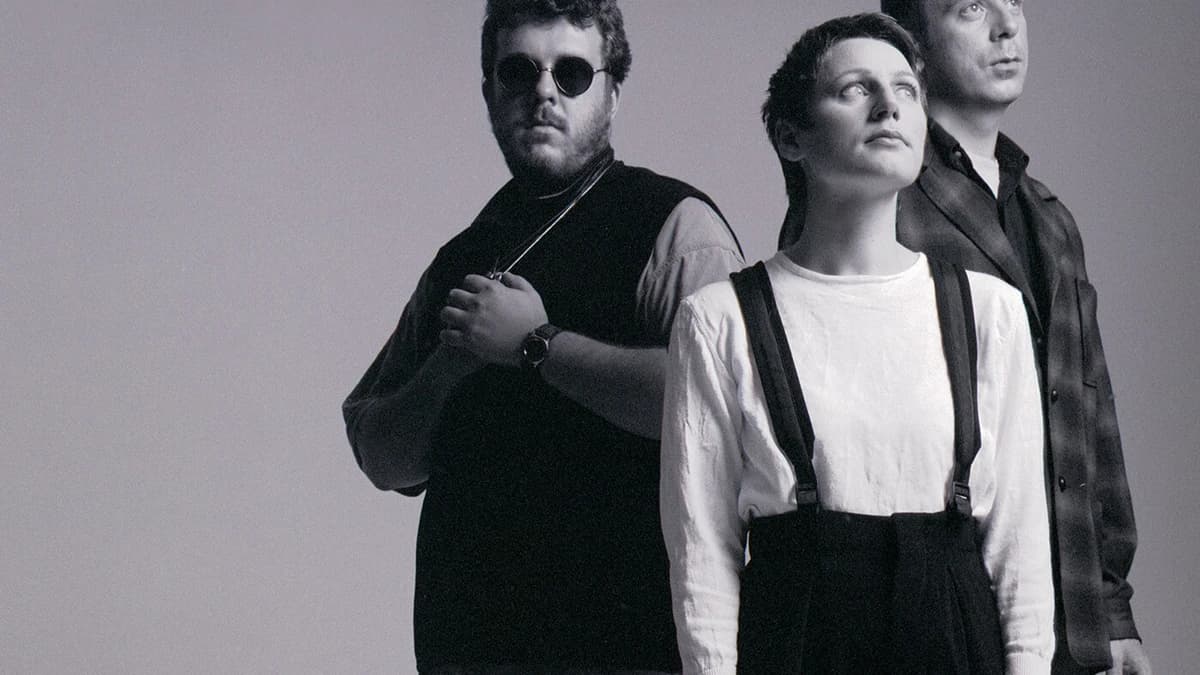
Some genres are named by critics. Dream pop was named by a band about itself, and then perfected by somebody else entirely.
The phrase was popularly coined by A.R. Kane, who shared the roster of the British indie label 4AD with a Scottish trio who would go on to make the sound famous. If you want a single starting point for one of the most quietly influential styles in modern music, that label in the early 1980s is it.
What Dream Pop Actually Describes
The definition that has held up best is refreshingly concrete. Writing for Discogs, the term covered a loose collection of indie rock acts "experimenting with gauzy textures, somnolent tempos, half-heard vocals, and spectral audio effects that combined to evoke dreamlike states" — impressionistic fragments that wash and recede on waking — all of it kept inside the boundaries of ordinary song structures.
That last clause is the important one. Dream pop is not ambient music and it is not experimental for its own sake. Underneath the reverb there is usually a verse, a chorus and a melody you can hum. The haze is a finish applied to pop songwriting, not a replacement for it.
It also means the genre is unusually welcoming for a new listener. You do not need any theory or context to enjoy it. You need about four minutes and a decent pair of headphones.
The Band That Set the Template
The Cocteau Twins did more than any other single act to define the sound. The pieces were Elizabeth Fraser's ethereal singing, Robin Guthrie's nimble, slippery guitar playing, his drum machine programming underneath it, and Simon Raymonde's bass holding the shape together.
They did not arrive fully formed. Formed in Grangemouth, Scotland in the late 1970s, Fraser and Guthrie started somewhere rougher — 1982's Garlands and 1983's Head Over Heels lean gothic, with the voice sometimes growling rather than floating and the guitars veering toward the distorted and industrial.
The turn comes with 1984's Treasure, once Raymonde had joined and the long-running line-up settled. From there the sound develops through 1986's Victorialand and 1988's Blue Bell Knoll, and reaches its greatest height on 1990's Heaven or Las Vegas, still the record most people are pointed to first.
Fraser's lyrics are famously hard to make out, and that is part of the appeal rather than a flaw. The voice works as another instrument, carrying feeling without handing you a subject. It is why the records still land for listeners who have never read a word about the band.
Why One Small Label Mattered So Much
It is rare for a single record label to carry a whole genre, but 4AD came close. Founded in Britain in 1980, it housed both the band that named dream pop and the band that defined it, which is how a descriptive phrase invented in-house ended up as the standard term for a sound made all over the world.
What a label of that kind actually supplies is patience. The Cocteau Twins were allowed several albums to move from a rough gothic start to the sound everyone now associates with them — a development arc that would be hard to fund at that pace today, and one no algorithm would have waited for.
That is worth holding onto when you listen. The records that founded this genre were not instant hits engineered to land on release day. They were a small roster given room to keep refining one idea, and the refining is audible from album to album.
Where to Start Listening
Begin with Heaven or Las Vegas. It is the most melodic and the most immediate, and it gives you the whole vocabulary in one sitting — the chiming guitar, the reverb bloom, the vocal that behaves like weather.
Then work backwards to Treasure for the moment the style clicks into place, and to Blue Bell Knoll for the version with the most detail in it. If you want the origins, Head Over Heels shows you a band on the way somewhere, which is its own pleasure.
From there the family tree opens out. Beach House and Sigur Rós have each put their own spin on the template, and whole subgenres including chillwave grew out of the same instinct: melody first, atmosphere everywhere.
How a New Generation Found It
The most encouraging part of the dream pop story is happening right now, and it did not come from a label. It came from bedrooms.
Shoegaze — dream pop's louder sibling, sharing the reverb and the buried vocals — went through a genuine online surge. Spotify figures shared with Stereogum at the end of 2023 recorded a 50% year-on-year rise in streams of the genre, daily searches for "shoegaze" up more than 220% globally, and an 800% increase in streams of the platform's flagship Shoegaze Now playlist across that year.
The story behind those numbers is lovely. An 18-year-old student was sent an instrumental by the producer grayskies, spent two hours singing over it into her phone through everyday earbuds, and posted a snippet under the name Wisp. The first video did 100,000 views overnight; the next did 600,000; the one after that passed a million. She signed to a major label before releasing a second song, and sold out her first-ever show in under half an hour.
No guitars were strummed and no reverb pedals were stepped on. The sound survived the change of equipment completely intact, which tells you it was always about the feeling rather than the gear.
The Artists Carrying It Now
There is a real map to explore. The 2010s built the bridge: Infectious Magazine's guide to the modern scene credits DIIV with the melodic, dreamy end, Nothing with fusing the textures to heavier, almost metallic guitars, and Whirr and Cloakroom with pushing the louder and denser side.
The viral wave that followed runs through Wisp and Julie, who keep the classic recipe of reverb-soaked guitar walls and soft, distant vocals but route it through bedroom-pop production instead of a rehearsal-room amp stack.
Newer names are arriving constantly. Mother Soki, a Minneapolis musician drawing on '90s dream-pop, vintage synth textures and shoegaze-leaning guitars, broke through with the single "Rivet Gun" and released the EP fantasy in December. That is the shape of discovery in this genre now: a song, a phone, an audience, then a label.
Why It Is Worth Your Time
Dream pop rewards attention in a way that a lot of music does not. Play it quietly and it works as atmosphere; play it properly and the details come forward — the second guitar, the drum machine's small imperfections, the syllable you finally catch after the tenth listen.
It is also a genre with an unusually low barrier for artists, which is why it keeps regenerating. The tools that made Wisp's first song are the tools most people already own. If you have ever wanted a way into independent music where the newest release can matter as much as the canon, this is one of the best doors available. The same pattern shows up across scenes we have traced before, including a new golden hour for soul.
Start with Heaven or Las Vegas tonight. Follow whatever the next song sounds like. Forty years of this sound is waiting, and a good part of it was made last year by somebody with a phone.
This article was AI-assisted and edited for accuracy.
Frequently asked questions
Who invented dream pop?
The term was popularly coined by A.R. Kane, but the Cocteau Twins did more than any other single band to define and establish the sound, across a run of albums on 4AD through the 1980s and into the 1990s.
What does dream pop sound like?
Gauzy textures, slow tempos, half-heard vocals and spectral effects that evoke a dreamlike state — all built on conventional pop song structures, so there is still a melody and a chorus underneath the haze.
What is the difference between dream pop and shoegaze?
They are closely related siblings sharing reverb-heavy guitars and buried vocals. Shoegaze is generally louder and denser, built on walls of guitar noise, while dream pop leans more on melody, space and atmosphere.
Which dream pop album should I start with?
Heaven or Las Vegas by the Cocteau Twins, released in 1990. It is the most melodic and immediate of their records and introduces the whole vocabulary of the genre in one listen.
Which new artists are keeping the sound alive?
DIIV, Nothing, Whirr and Cloakroom built the modern bridge in the 2010s, while Wisp and Julie led the viral bedroom wave. Newer names include Mother Soki, whose single "Rivet Gun" broke through online ahead of her EP fantasy.