Living Wage for Musicians Act: a New Era for Streaming Pay?
Will Lisil
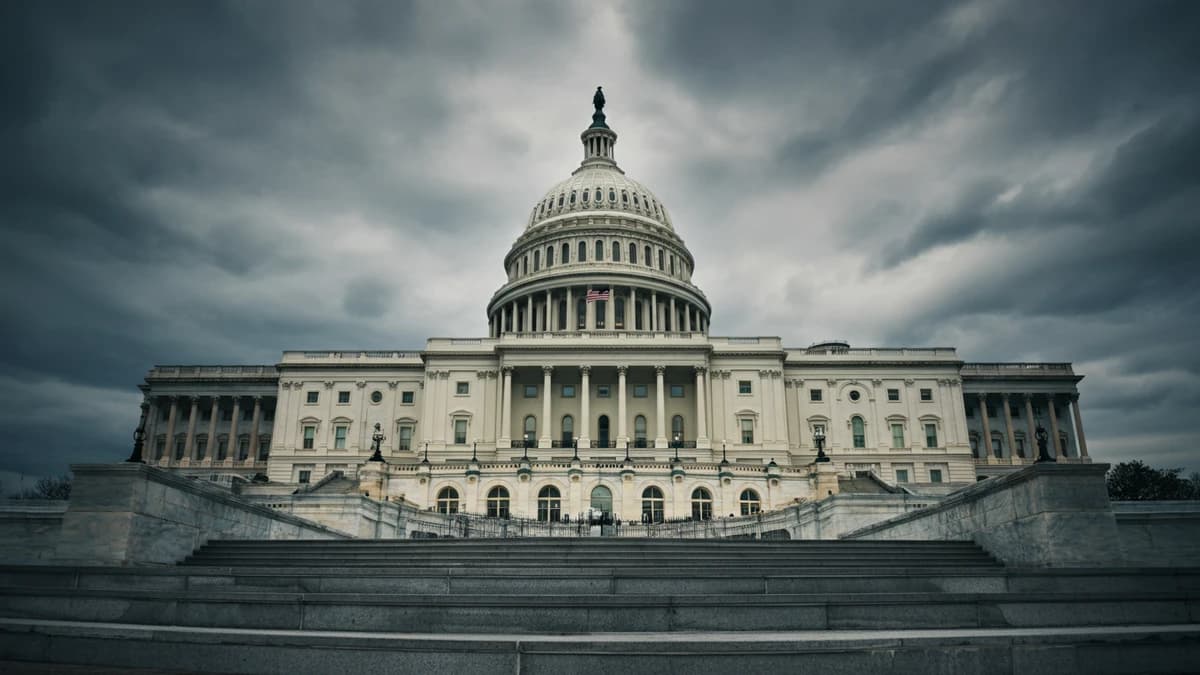
A Turning Point for Artist Compensation
For years, abysmal pay for artists has dominated the conversation around music streaming. While platforms have generated billions, most musicians find it impossible to earn a sustainable income from streams alone. A new law, however, aims to fundamentally change this. The Living Wage for Musicians Act, introduced in the U.S. Congress, proposes a radical overhaul of the streaming economy. It sparks hope for creators and intense debate across the industry.
Representatives Rashida Tlaib and Jamaal Bowman champion this bill. It culminates years of advocacy from artist-led groups. Its central proposal is simple yet revolutionary: a mandatory royalty of at least one cent per stream. Artists would receive this payment directly. This article breaks down the Living Wage for Musicians Act. We'll explain how it would work, who supports it, and the potential challenges it faces on its path to becoming law.
What Is the Living Wage for Musicians Act?
At its core, the Living Wage for Musicians Act seeks to establish a new, artist-centric royalty framework. They formally introduced the bill in March 2024. It has the backing of the United Musicians and Allied Workers (UMAW). This organization has led the fight for fair pay with campaigns like Justice at Spotify.
The act proposes creating a new fund. Streaming platforms themselves would finance this fund. It would then distribute royalties directly to credited recording artists. This radically departs from the current system. Payments now trickle down through labels and distributors, often shrinking significantly before artists receive them. The one-cent-per-stream floor rate aims to provide a tangible and predictable income stream. It transforms streaming from a promotional tool into a viable source of income.
How the Proposed Royalty System Works
To understand the Living Wage for Musicians Act's significance, we must first understand the system it aims to replace. Currently, major platforms like Spotify, Apple Music, Amazon Music, and YouTube Music use a "pro-rata" model.
In the pro-rata system, all money collected from subscriptions and advertising pools together. The total number of streams across the entire platform then divides this massive pool. Artists receive payment based on their percentage of the total stream share. This model disproportionately benefits mega-superstars and major labels who garner billions of streams. It leaves emerging and niche artists with fractions of a cent per play. For instance, reports from publications like Billboard consistently highlight payouts as low as $0.003 per stream.
This pro-rata model is also notoriously vulnerable to manipulation. The system pays from a single shared pool. Because of this, every fake stream effectively steals from real artists, further devaluing their work.
The Living Wage for Musicians Act would dismantle this structure. Here’s how the new model would function:
- A New Royalty Pool: Streaming service revenue (or a per-stream fee) would go into a new, non-profit collective management organization. This is similar to how SoundExchange collects and distributes digital performance royalties.
- Direct Payments: This fund would pay royalties directly to artists. It would bypass the complex and often opaque chain of labels and publishers.
- Guaranteed Rate: The royalty would be a minimum of one cent per stream.
- Payment Caps: The bill includes payment cap provisions. These ensure a more equitable distribution and prevent a few top artists from dominating the system. After an individual track reaches a certain high stream threshold, the per-stream rate would decrease. This redirects funds toward artists with smaller but still significant listenership.
Who Is Behind the Push for Change?
The United Musicians and Allied Workers drive the Living Wage for Musicians Act. This artist-led union has critically viewed the current streaming model for years. Their advocacy has drawn support from many musicians. These musicians have shared their struggles with making a living from their work. Acclaimed artists like Ted Leo and members of bands like The Blake Babies have vocally supported the UMAW's mission.
The bill also received a major endorsement from the AFL-CIO. This is the largest federation of unions in the United States. This backing signals a broader recognition of the issue as a labor rights struggle. It frames musicians as workers who deserve fair compensation for their labor. Supporters argue that a living wage from streaming would foster a more diverse and sustainable music ecosystem. It would allow artists to dedicate more time to their craft instead of working multiple jobs to survive.
Industry Reactions and Potential Hurdles
Many artists celebrate the bill, but it faces a difficult and uncertain journey. The powerful entities benefiting from the current system will likely mount significant opposition. Streaming giants like Spotify will probably argue that a one-cent-per-stream mandate is financially untenable. They would say it forces them to dramatically increase subscription prices for consumers, potentially driving users to piracy.
Major labels such as Universal Music Group, Sony Music Entertainment, and Warner Music Group have a complex position. They stand to lose some control if the payment chain bypasses them. However, they also benefit from any overall increase in royalty revenue. Their public response has been cautious. Still, their behind-the-scenes lobbying efforts will be a critical factor in the bill's progression. The legislative process itself is a major hurdle. The bill must pass through committees and votes in both houses of the U.S. Congress. This process can take years. Powerful industry interests often influence it.
A Different Perspective on Fair Artist Compensation
The debate around the Living Wage for Musicians Act highlights the urgent need for new artist payment models. At TipTop.music, our approach focuses on direct, transparent support. We believe every play should be a real tip from a listener to a creator. This empowers fans to directly fund the music they love. While people debate legislative solutions, we commit to providing tools that enable a sustainable creator economy today. This holds true regardless of how people make the music. Our platform builds on the principle that a more direct connection between artists and fans is key to building a fairer music industry.
What's Next for the Bill and How to Get Involved
The Living Wage for Musicians Act's introduction is a significant first step. Yet, it is only the beginning of a long legislative battle. The bill's future will depend on public pressure, artist advocacy, and its supporters' ability to navigate Washington, D.C.'s complex political landscape. For artists and fans who believe in this cause, staying informed and vocal is crucial.
Organizations like the United Musicians and Allied Workers provide resources and updates on the bill's progress. As the debate continues, it will force a much-needed public conversation about music's value and the labor of the artists who create it. For artists looking for solutions that can make a difference right now, exploring platforms that prioritize direct-to-fan monetization is a powerful step. By building a community and enabling direct support, you can create a more resilient career path in today's music landscape.
Ready to build a more sustainable income from your music? Learn more about how TipTop.music empowers artists.
Frequently asked questions
What is the Living Wage for Musicians Act?
It is a bill introduced in the U.S. Congress that would require streaming services to pay a minimum royalty of one cent per stream. This money would be collected into a central fund and paid directly to recording artists.
How is the current streaming royalty system unfair to artists?
Most platforms use a 'pro-rata' system where all revenue is pooled and distributed based on an artist's share of total streams. This system overwhelmingly favors mega-superstars and often results in payouts of fractions of a cent per stream for most artists.
Who supports the Living Wage for Musicians Act?
The bill is primarily championed by the United Musicians and Allied Workers (UMAW). It was introduced by Representatives Rashida Tlaib and Jamaal Bowman and has been endorsed by the AFL-CIO and numerous independent artists.
What are the biggest challenges for the bill?
The bill faces a long and difficult legislative process. It will likely encounter strong opposition and lobbying from major streaming platforms, who may argue the new royalty rate is financially unsustainable. The creation of a new federal royalty administration system also presents logistical challenges.