Quit Your Day Job: How Direct Fan Tipping Can Fund Your Music Career
Will Lisil
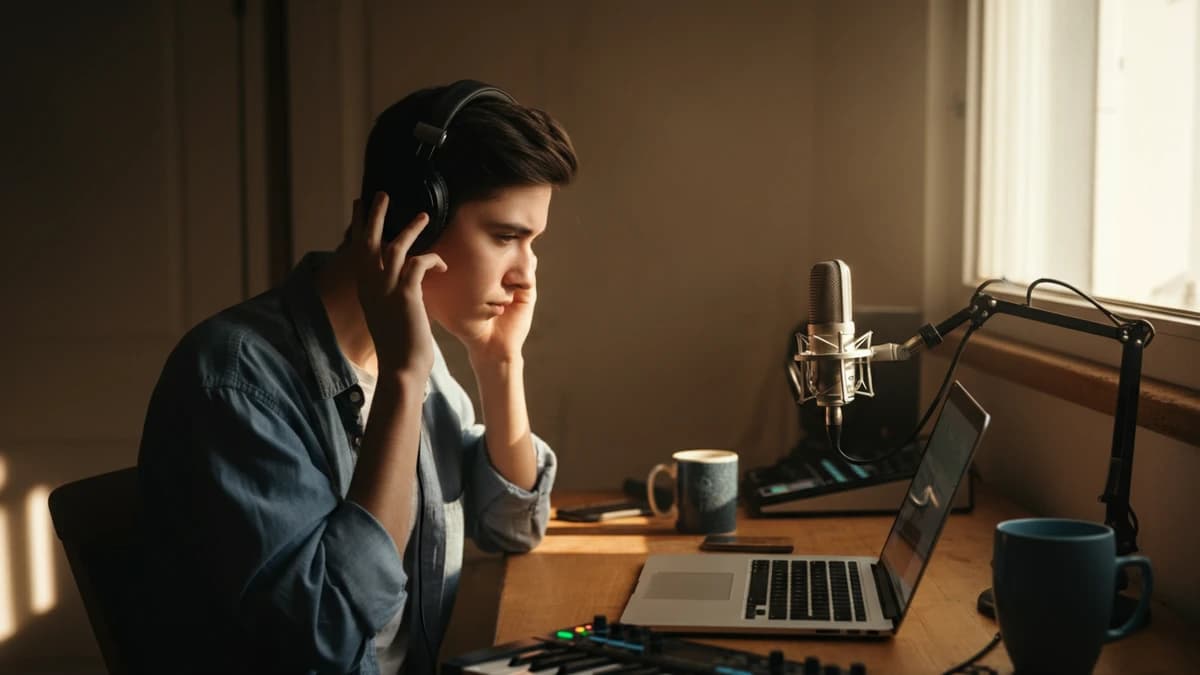
The Independent Artist's Dilemma: Passion vs. Paycheck
For every self-releasing indie artist, the dream is simple: make a living from your music. You pour your heart, soul, and countless hours into writing, recording, and producing tracks. You meticulously plan your release, design the artwork, and push your music out to the world. Then comes the reality check: the first royalty statement. The numbers are often shockingly low, a few dollars for thousands of streams, barely enough to cover a cup of coffee, let alone studio time or rent.
This is the frustrating reality for millions of creators in the modern music economy. The dominant streaming model, while excellent for music discovery, has created a system where only the top fraction of a percent of artists earn a sustainable income. The vast majority are left juggling their musical passion with a day job, wondering if financial independence is just a fantasy. But what if there was a different way? A path that bypasses the volume-based game and connects you directly with the people who value your work the most: your fans. This is the power of direct fan tipping, a model that is enabling a new generation of artists to finally quit their day jobs.
The Broken Economics of Traditional Streaming
To understand why direct tipping is so revolutionary, we must first confront the flaws of the current system. Major platforms like Spotify and Apple Music operate on a “pro-rata” royalty model. All the subscription and ad revenue is collected into a giant pool, and then distributed to artists based on their share of total streams. This system inherently favors mega-stars with billions of streams, leaving little for the emerging or niche artist.
According to reports in publications like Billboard, the per-stream payout rate often hovers between $0.003 and $0.005. This means an artist needs around 300,000 streams just to earn $1,000 — a figure that is out of reach for many. Industry data from organizations like the RIAA confirms that while overall industry revenues are growing, the distribution of that wealth remains incredibly top-heavy. A self-releasing indie artist simply cannot compete on volume against major label marketing machines. The game is rigged from the start, designed for scale, not for the individual creator.
This model creates a treadmill effect. Artists are incentivized to chase viral moments and playlist placements, often compromising their artistic vision to fit an algorithmic mold. The focus shifts from building a deep connection with an audience to simply accumulating as many plays as possible, no matter how passive or fleeting. It's a system that measures success in fractions of a penny, a dispiriting reality for anyone creating deeply personal art.
The Power of the Superfan: A Shift to Value-for-Value
The alternative lies in a fundamental mindset shift: move from chasing millions of casual listeners to cultivating a smaller, more dedicated group of “superfans.” This idea was famously articulated by writer Kevin Kelly in his seminal essay, “1,000 True Fans.” The premise is that to make a living, a creator doesn't need millions of fans. They only need a thousand true fans—people who will buy (or in this case, tip) everything you produce, driving hundreds of miles to see you play, and evangelizing your work to their friends.
Direct tipping is the digital manifestation of this theory. Instead of earning $0.004 from a stream, what if a fan could tip you $1, $5, or $20 for a song they truly loved? That single action could be worth more than 5,000 traditional streams. It changes the entire economic equation. The value is no longer determined by a platform's opaque formula, but by a direct, transparent transaction between the artist and the listener. It's a “value-for-value” model. The fan receives the value of the music and, in return, gives back a value they feel is fair.
Pioneering artists like Amanda Palmer have proven this model's power for years, using platforms like Patreon to build a career funded directly by her community. This isn’t about charity; it’s about a new kind of commerce built on relationship and mutual respect. A fan who tips feels a deeper sense of connection and participation in the artist's journey, transforming them from a passive consumer into an active patron.
How to Build a Tipping-First Strategy
Embracing direct fan tipping requires a strategic approach. It's not just about putting a “donate” button on your website and hoping for the best. A successful self-releasing indie artist must build an ecosystem around their music that encourages and facilitates fan support.
- Make It Effortless: The most important step is to make tipping seamless. Use platforms that integrate tipping directly into the listening experience. If a fan has to leave the app, open a browser, and fill out a form, you've lost them. The impulse to give is often immediate, and the technology must capture that moment.
- Tell Your Story: Don't just ask for tips; show fans what their support accomplishes. Use social media, newsletters, and platforms like YouTube or TikTok to share behind-the-scenes content. Show them the new microphone their tips bought, or the studio session they are funding. This transparency builds trust and makes supporters feel like part of the team.
- Engage Your Community: This is not a one-way street. Respond to comments, host Q&A sessions, and create spaces where your fans can connect with you and each other. The more a fan feels seen and valued, the more likely they are to become a long-term supporter. Think of it as building a digital fan club.
- Provide Consistent Value: Keep the music coming. Regular releases, even if it's just a demo or a live track, keep your audience engaged and give them new reasons to show their support. Platforms like Bandcamp have thrived by allowing artists to pair digital releases with direct payment options, encouraging support with every new song or album.
A Different Perspective on Creator Support
The conversation around artist pay is complex, with many proposed solutions and passionate viewpoints. Some focus on reforming existing royalty structures, while others advocate for new legislation. At TipTop.music, our perspective is that the most powerful solution is to place control directly in the hands of artists and their fans. We believe that every play should have the potential to be a meaningful contribution. Our platform is built on this principle, turning every listen into a direct tip and empowering listeners to support the music they love without friction.
This reality has artists seeking better revenue models, leading many to explore direct-to-fan music platforms to connect with their audience.
Take Control of Your Music Career
The path of a self-releasing indie artist is challenging, but it no longer has to be a vow of poverty. By shifting your focus from chasing fractions of a penny to building genuine relationships with fans, you can create a sustainable and fulfilling career on your own terms. Direct fan tipping isn't just a trend; it's a fundamental restructuring of the music industry's power dynamic, putting the artist back at the center.
Are you ready to stop chasing streams and start building a career? Learn how TipTop.music provides the tools for you to connect with your fans and get paid fairly for your work.
Frequently asked questions
How much can an artist realistically earn from tipping?
Earnings vary wildly, but by cultivating a small base of dedicated 'superfans,' even niche artists can generate a significant income stream, often far exceeding what they'd earn from millions of traditional streams.
Do I need a huge social media following to succeed with tipping?
Not necessarily. While a following helps, the key is engagement, not just numbers. A small, highly engaged community can be more valuable than a large, passive one.
What is the '1,000 True Fans' theory?
Coined by Kevin Kelly, it's the idea that a creator needs only 1,000 dedicated fans willing to spend $100 per year to earn a $100,000 income. This model is the foundation of direct artist support.