The Evolution of Afrobeats: From Underground to Global
Will Lisil
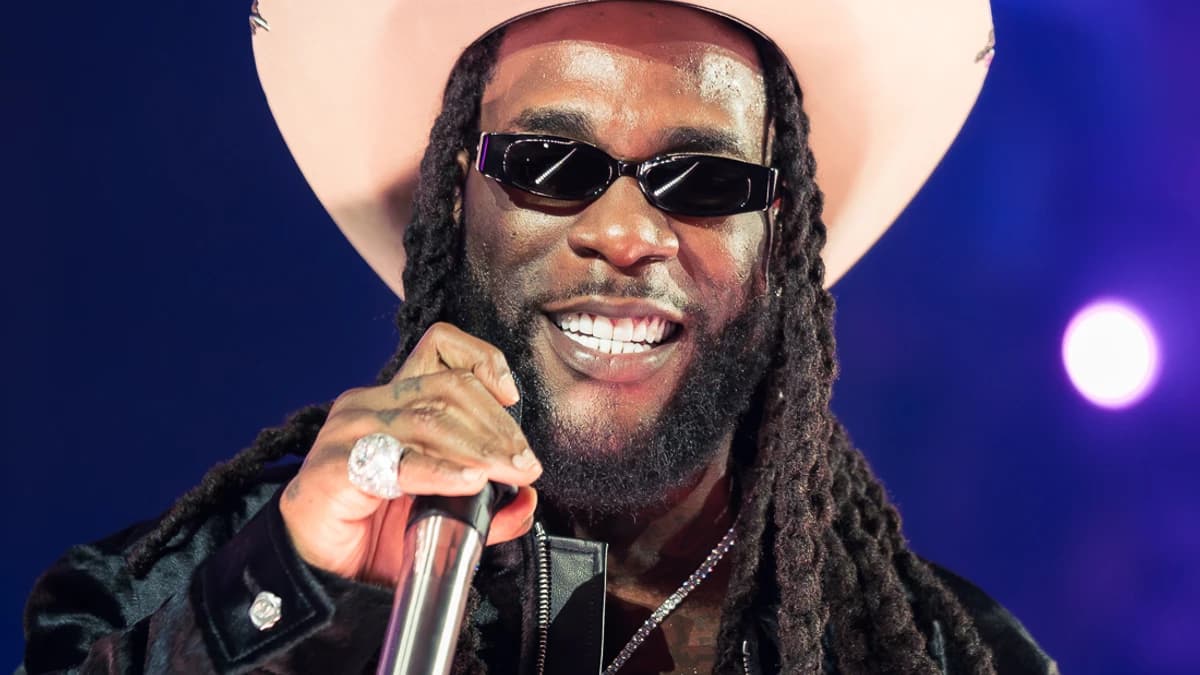
Few sounds have travelled as far, or as fast, as afrobeats. In barely two decades it has gone from house parties in Lagos and London to the top of the Billboard charts and the Grammy stage, carrying West African rhythm, language and swagger to every corner of the world. This is the story of how it happened, and where to start if you are only just tuning in.
Afrobeat vs Afrobeats: One Letter, Two Worlds
First, a crucial distinction. Afrobeat, singular and without the "s", is the genre pioneered by the Nigerian legend Fela Kuti in the 1960s and 70s: sprawling, horn-driven fusions of highlife, jazz and funk, fiercely political and often stretching well past ten minutes. Afrobeats, with the "s", is something else: a 21st-century umbrella term for contemporary West African pop that emerged across Nigeria, Ghana and the UK in the 2000s and 2010s, drawing on highlife, juju, hiplife, hip-hop, dancehall and R&B. As the genre's chroniclers note, the name was popularised by the London-based DJ Abrantee, who added the "s" to package the new sound for British dancefloors. He was quick to credit the roots: "Afrobeats was invented before I was born. It was invented by Fela Kuti."
The 2000s: A New Nigerian Pop Sound
The modern movement grew out of a wave of Nigerian artists who fused local melodies with hip-hop, R&B and dancehall. Groups like the Remedies, Plantashun Boiz and Trybesmen laid the groundwork; 2Baba, then known as 2Face Idibia, turned it into continental stardom with love songs that played from Lagos to Nairobi. By 2007, P-Square's album Game Over was a household staple across Africa, and producers such as Don Jazzy were shaping a slick, radio-ready sheen. The ingredients that still define afrobeats today, bright and danceable production, pidgin and local-language hooks, and an irresistible sense of joy, were already locking into place.
Crossing Over to the UK
Britain's large West African diaspora made London the genre's first home abroad. In April 2011 DJ Abrantee launched an Afrobeats radio show on Choice FM, giving the sound a mainstream platform in the UK. The breakthrough single came soon after: D'banj's "Oliver Twist," released in 2011, climbed to number nine on the UK Singles Chart in 2012, becoming the first afrobeats song to crack the UK top ten. Around the same time, a remix of P-Square's "E No Easy" became the first afrobeats track to reach the top five on France's official chart. The music was no longer a local secret; it was starting to shape the mainstream.
The Global Breakthrough
The mid-2010s turned a rising genre into a global force. In 2016, Drake's "One Dance," featuring the Nigerian star Wizkid and the British singer Kyla, became one of the most-streamed songs on the planet and reached number one in fifteen countries, pulling afrobeats firmly into the pop mainstream. Western superstars began seeking out the sound: Beyonce built much of her 2019 project The Lion King: The Gift around African artists, and the likes of Ed Sheeran and Major Lazer lined up collaborations. Then came the moment many fans call the genre's coronation: in 2021, Wizkid and Tems' "Essence" became the first Nigerian pop record to enter the Billboard Hot 100, and the first African song certified platinum in the United States and to reach the chart's top ten. Between 2017 and 2022, afrobeats streams on Spotify grew by a staggering 550 percent as international audiences caught on.
The Grammy Moment
Recognition from the industry's biggest institutions followed. In 2024 the Recording Academy introduced a new category, Best African Music Performance, a landmark acknowledgement of the continent's growing influence. South Africa's Tyla took home the inaugural award, with afrobeats stars including Asake, Davido, Ayra Starr and Burna Boy among the nominees; the following year, Nigeria's Tems won it. From Burna Boy headlining stadiums to sold-out arenas across Europe and North America, afrobeats had arrived at the centre of the pop world, a journey the Recording Academy itself has traced through the genre's defining songs.
The Sound Keeps Moving
What makes afrobeats so alive is that it never stops mutating. A new generation, Rema, Ayra Starr, Asake and others, has pushed it in fresh directions; Rema's "Calm Down" became one of the biggest afrobeats songs in history, its remix with Selena Gomez turning into a worldwide smash. Meanwhile South Africa's amapiano, with its hypnotic log-drum basslines, has bled into the sound and spawned crossovers of its own. Afrobeats today is less a single style than a living conversation between Lagos, Accra, Johannesburg, London and the diaspora, constantly absorbing new ideas and giving them back.
Where to Start Listening
If you are new to it, start with the songs that broke the doors down, "Oliver Twist," "One Dance" and "Essence," then follow the threads outward to Burna Boy, Tems, Rema and Ayra Starr. But the real joy of afrobeats has always been discovery: for every global star, there are hundreds of independent artists building the next wave in home studios from Lagos to London. The genre's whole history proves a simple idea, that a local sound becomes global the moment listeners go looking for it. There has never been a better time to start looking.
Frequently asked questions
What is the difference between afrobeat and afrobeats?
Afrobeat (no 's') is the jazz-and-funk-infused genre created by Nigeria's Fela Kuti in the 1960s and 70s. Afrobeats (with an 's') is a 21st-century umbrella term for contemporary West African pop from Nigeria, Ghana and the UK. They share roots but are distinct sounds.
Who are the biggest afrobeats artists?
Global stars include Wizkid, Burna Boy, Davido, Tems, Rema and Ayra Starr, building on 2000s pioneers such as 2Baba, P-Square and D'banj. Many started as independent artists before reaching the world stage.
When did afrobeats go global?
The mid-2010s were the turning point. Drake's 2016 hit 'One Dance' with Wizkid reached number one in fifteen countries, and Wizkid and Tems' 'Essence' entered the Billboard Hot 100 top ten in 2021. The Grammys added a dedicated African music category in 2024.