The Neo-Soul Revival: a Listener's Guide to Soul's New Golden Hour
Will Lisil
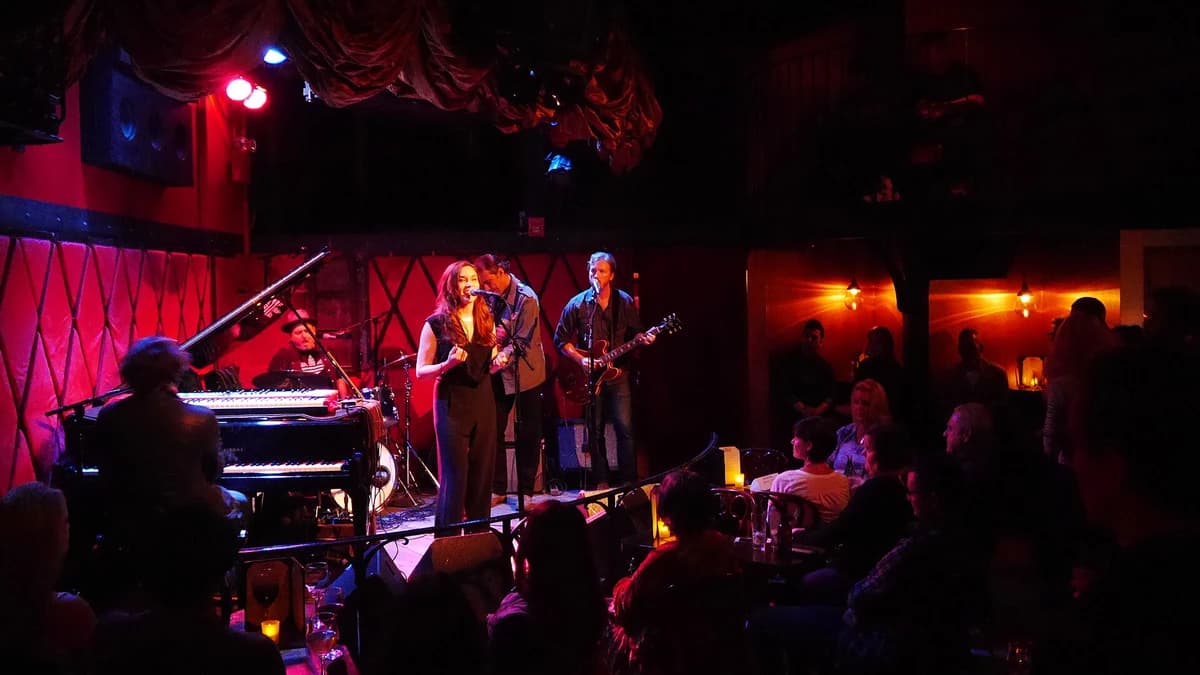
Some sounds feel like a warm room. Neo-soul is one of them: unhurried, human, full of live instruments and voices that sit just behind the beat. After years of hyper-polished pop, a new generation of listeners is rediscovering exactly that feeling, and a fresh crop of soul singers is answering the call. This is the neo-soul revival, and it is one of the most rewarding places a curious listener can start in 2026.
If you are new to the genre, or you loved it years ago and drifted away, this is a friendly map: what neo-soul actually is, where it came from, why it is back, and which new-wave artists to hear first.
What Neo-Soul Actually Sounds Like
Neo-soul is soul music played by hand. According to Carnegie Hall's timeline of African American music, the sound leans on live musicians, Fender Rhodes and Wurlitzer pianos, the Hammond B-3 organ, real drums and warm horn sections, rather than rigid programmed beats. Vocals tend to sit in a "cross between speech and song," lagging slightly behind the rhythm in a way that recalls Billie Holiday, and favouring one note per syllable over the big melismatic runs of classic R&B.
The result is intimate and conversational. Neo-soul blends soul, jazz, funk and gospel with the phrasing of hip-hop, and its lyrics lean toward the personal and the socially conscious. It is music that sounds like people in a room, which is a big part of why it lands so gently on the ear.
That human quality is the whole point. Where much of modern pop is built for the algorithm, neo-soul is built for the room, and it rewards close listening: the give of a bass string, the space between the drums, a backing vocal that answers the lead. On good speakers, the record seems to breathe.
How the Genre Was Born
The story starts in the early 1990s. Me'Shell NdegeOcello's 1993 album Plantation Lullabies is often cited as the prototype, and D'Angelo's Brown Sugar (1995) brought the sound into full focus with its gospel harmonies and stripped-down grooves. The label itself came from the business side: Kedar Massenburg of Motown Records marketed Erykah Badu's 1997 debut Baduizm as "neo soul," and the name stuck.
From there the golden era arrived quickly. Maxwell's Urban Hang Suite (1996), Lauryn Hill's The Miseducation of Lauryn Hill (1998), Badu's Mama's Gun (2000) and the arrival of Jill Scott turned a marketing term into a movement, one whose warmth and craft still set the template for everything that has followed.
Badu was soon crowned the "Queen of Neo Soul," and the movement had a clear identity. As a look back at the pioneers who made neo-soul timeless makes plain, most were artists born in the 1970s to parents raised on Black Power and classic soul, a lineage that shaped everything: songs about self-worth and love, delivered with a grown, unhurried confidence and no interest in chasing the charts.
Why Neo-Soul Is Coming Back Now
Revivals happen when listeners want something a moment is missing, and in 2026 that something is warmth. As feeds fill with hyper-produced and increasingly synthetic pop, a lot of listeners are craving the opposite: tactile grooves, real instruments and songwriting that sounds emotionally honest rather than engineered. Neo-soul offers all three.
The timing is not an accident. Home-studio culture, supercharged during the lockdown years, revived the same DIY intimacy that birthed the genre in the first place, and streaming has made it effortless for a younger audience to fall down a soul rabbit hole. What was once a record-shop discovery is now a single playlist away.
There is a quiet reaction at work too. As debates about AI-made music grow louder, a real, imperfect human voice over live instruments starts to feel like a statement rather than a default. Neo-soul has always celebrated exactly that: the fingerprints of the people who made it.
The New Wave to Hear First
The most exciting part of the neo-soul revival is how much of it is happening right now, much of it out of the UK. Cleo Sol, raised by jazz musicians in West London's Ladbroke Grove, has become the quiet centre of the scene, both in her own cinematic solo work and as the voice of the acclaimed collective SAULT with producer Inflo. Around her sits a genuinely deep bench, and a good guide to the artists reshaping contemporary soul shows just how wide the field has become.
Start with Elmiene, the British-Sudanese singer from Oxford who placed fifth in the BBC Sound of 2024 poll, earned a 2025 BRIT Rising Star nomination and released his Heat the Streets mixtape in 2025. Add Lianne La Havas and Pip Millett for the folk-tinged end of the UK sound, then reach further out: Alex Isley, daughter of the Isley Brothers' Ernie Isley, whose 2025 album Ms. Goody Two Shoes is one of modern soul's most graceful records, plus Giveon's baritone confessions and the Dutch soul of Gaidaa and RIMON. It is a scene, not a handful of names.
Part of what makes the scene so rewarding is how connected it is. Producers, singers and players move between each other's records constantly, so following one artist almost always leads to three more. Pull one thread and a whole community unspools.
A Beginner's Listening Path
If you want a route in rather than a pile of recommendations, try this. Begin with Cleo Sol and the SAULT catalogue for the modern sound at its warmest, then follow the collaborators outward, because neo-soul is a famously connected family tree. Once the feel makes sense, go back to the source: D'Angelo's Brown Sugar, Badu's Baduizm and Maxwell's Urban Hang Suite. Listen on decent speakers or headphones if you can; this is music built on texture, and the details reward attention.
One more tip: give the albums room to unfold. Neo-soul records are often designed as complete listens rather than singles, with interludes and segues that shape the mood, so the reward comes from sitting with a whole record the way its makers intended.
If this kind of slow, scene-based discovery is your thing, you may enjoy our listener's guide to the shoegaze revival as a companion journey into another warm, texture-first sound.
Why the Revival Belongs to Independent Artists
What makes this moment special is that so much of it is independent. Many of the artists leading the neo-soul revival release on their own terms, building devoted audiences one honest song at a time rather than chasing a viral formula. That is exactly the kind of music, and the kind of artist, worth seeking out and supporting directly. Put on a neo-soul record, follow the thread from one voice to the next, and you will not only find your next favourite artist; you will be backing the people keeping one of music's warmest traditions alive.
That is what makes the neo-soul revival such a satisfying rabbit hole to fall into. Every warm, hand-played record is a small argument for slowing down and really listening, and every new voice you find is one more independent artist worth championing. Start with one album this week, follow where it leads, and let the golden hour stretch a little longer.
Frequently asked questions
What is neo-soul?
Neo-soul is a warm, organic style of soul music that emerged in the 1990s, built on live instrumentation and a blend of soul, R&B, jazz, funk, gospel and hip-hop, with intimate, conversational vocals.
Who started neo-soul?
D'Angelo's Brown Sugar (1995) and Erykah Badu's Baduizm (1997) defined the sound, and Motown's Kedar Massenburg coined the term. Maxwell, Lauryn Hill and Jill Scott were also central.
Which new neo-soul artists should I hear first?
Cleo Sol and SAULT are the best entry point, followed by Elmiene, Lianne La Havas, Pip Millett, Alex Isley, Giveon, Gaidaa and RIMON.
Why is neo-soul popular again in 2026?
Listeners are craving warmth and emotional honesty over hyper-produced pop, and home-studio culture and streaming have made the sound easy to discover and create.