US CD Sales Jumped 58% as Fans Pay to Back Their Artists
Will Lisil
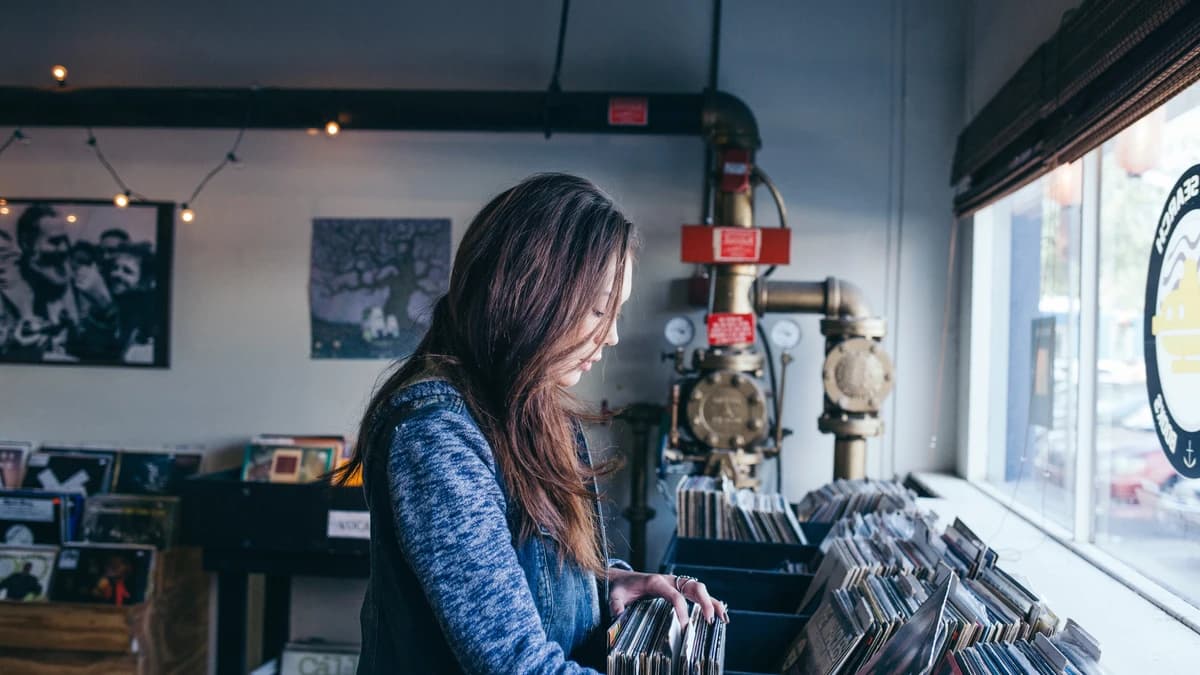
US CD sales brought in $171 million in the first half of 2026, a rise of 58.6% on a year earlier, while vinyl generated $554 million, up 17.7%. Those are the headline physical figures in the Recording Industry Association of America's mid-year report, and they say something warm about how people are choosing to love music right now.
CD sales are not climbing because listeners have abandoned streaming. They are climbing because fans want something to hold, and because buying a record or a disc has become one of the most direct ways to show an artist that their music matters. For anyone who likes discovering independent artists, that is very good news.
What the New Numbers Show
The overall picture is healthy. US recorded music revenue reached $6 billion in the first half of the year, up 6.9%, with every major category growing, according to Billboard's summary of the RIAA report. Streaming remains the engine, rising 4.7% to $4.9 billion and accounting for 82% of revenue, and paid subscriptions reached 111.1 million.
Physical formats are where the surprise sits. Vinyl's revenue growth continued, but CDs grew fastest of any category in percentage terms. Data company Luminate, which counts units rather than dollars, found the same shift from another angle: US CD sales rose 16% to 16.3 million units in the first half of 2026, outpacing vinyl, whose unit sales grew 2.4%.
Part of the CD boom comes from devoted fan communities. Luminate attributes more than half of the 16% rise to K-pop releases, and says that without them US CD sales would still have grown 6.7%. Either way, the format that many people wrote off a decade ago is back on shelves and in shopping bags.
Why Fans Buy Music They Already Stream
Luminate's explanation is the heart of the story. "The act of buying physical music is as much about aesthetic ownership and direct financial support for the artist as it is listening to the music on the product itself," its report reads, as Billboard's breakdown of the Luminate midyear report notes.
One statistic captures it perfectly: roughly half of Gen Z and millennial fans who have bought a CD do not own a CD player. The disc is a keepsake, a piece of artwork, a signed object or a way of saying "I was here early". Luminate describes the CD as becoming "an affordable collectible" for younger fans.
That makes physical music a little like a ticket stub or a tour T-shirt. The streaming version is still how many people listen day to day, but the record on the shelf is how they show who they love. For an independent artist, a fan who buys the physical release can be a fan who comes to the next show, shares the next single and follows the next chapter.
The Fans Most Likely to Buy From Their Favourite Artists
Not every listener behaves the same way, and Luminate's genre comparison is encouraging for independent scenes. K-pop and indie rock fans are the most engaged and the most likely to buy products from their favourite artists. Indie rock has the larger share of what Luminate calls "purchase-based superfans", at about 40% of fans, with K-pop close behind at around 38%.
Luminate also separates fans who show their support by buying from those who show it by engaging. K-pop leads on the second measure, with nearly 35% of its fanbase counted as engagement-based fans, against 30% for indie rock, which suggests both communities find their own ways to be there for the artists they follow.
Country and pop fans, by contrast, are more likely to be lean-back listeners who stream an artist without necessarily buying merchandise or physical albums. That does not make them less passionate; it simply shows how differently communities express their support.
The lesson for independent musicians is a hopeful one. Fans who feel part of a scene, who know the band's story and see them in small rooms, are the fans most willing to put money directly behind the music. That is the same spirit that carried lo-fi producers from their bedrooms to global audiences: listeners who feel close to the people making the sound.
Where You Buy Changes Who You Support
How fans buy is shifting too. Luminate found big-box retailers gaining share of physical album sales, helped by in-store exclusives, while independent record shops fell from 36.6% of sales in 2025 to 32.1% in 2026 and e-commerce slipped from 27.4% to 26.1%. Every purchase still supports the music, but fans who want their money to travel more directly to the artist have more options than ever.
The clearest example is Bandcamp Friday. On those days the platform waives its revenue share so that artists and labels receive more of the money from every purchase, and Bandcamp says the days have contributed more than $150 million to independent musicians since they began in March 2020.
The idea started as a pandemic response, when venues closed and touring stopped, and has become a tradition. Bandcamp expanded the schedule to eight dates in 2026, and two remain this year: 6 November and 4 December. For anyone planning holiday gifts for a music lover, those two Fridays are worth circling.
A Simple Guide to Buying Straight From the Artist
If you want your next purchase to land as close to the artist as possible, a few habits help. Start with the artist's own website or official store, where many independent musicians sell vinyl, CDs, cassettes and bundles themselves. Follow their mailing list or social channels, because limited pressings and signed copies often sell out before they reach shops.
At shows, visit the merch table. Buying a record there is one of the most personal ways to support a touring artist, and it is often the only place to find certain editions. Online, check whether the artist or their label has a Bandcamp page, and save your wish list for a Bandcamp Friday.
Independent record shops deserve a place in the routine too. They are where many people discover their next favourite band, through a staff recommendation or a sleeve that catches the eye, and they keep local music scenes visible. Pre-ordering a new release through an independent shop or an artist store also tells everyone involved that people are waiting for it.
The format matters less than the intent. A cassette from a local band, a CD from a touring songwriter and a vinyl pressing from a favourite producer all send the same message, and small runs can carry personal touches such as handwritten notes, alternative artwork or bonus tracks.
Finally, keep listening in the places you already use. Physical and digital support work best together: a stream helps a song travel, a purchase helps an artist keep making the next one.
Why It Matters for Discovering New Artists
The return of the CD and the steady strength of vinyl point to something bigger than formats. Listeners are looking for a closer relationship with the people who make the music they love, and they are willing to pay to have it. That is exactly the kind of connection that helps independent artists build a career one fan at a time.
At TipTop.music, our perspective is that every listen can be a direct thank-you. TipTop is built so that every play is a real tip to a real creator, which gives fans another simple way to support artists alongside the records and CDs they collect. We see it as one more route for the same impulse the sales data shows, and we are glad to sit alongside record shops, merch tables and Bandcamp Fridays in helping fans back the music they care about. You can explore independent artists on TipTop.music.
Whichever route you choose, the message from this year's numbers is clear: fans want to own a piece of the music, and they want the artist to feel it. That is a lovely place for music discovery to be heading.
Frequently asked questions
Are CD sales really growing?
Yes. The RIAA reported US CD revenue up 58.6% to $171 million in the first half of 2026, and Luminate counted 16.3 million CDs sold, up 16%.
Why do people buy CDs without a CD player?
Luminate found that buying physical music is as much about ownership and direct support for the artist as listening. Around half of Gen Z and millennial CD buyers do not own a player.
How can I buy music directly from an artist?
Use the artist's official store or Bandcamp page, buy at the merch table at shows, follow their mailing list for limited pressings and pre-order through independent record shops or the artist's own store.
When is the next Bandcamp Friday?
The remaining Bandcamp Fridays in 2026 are 6 November and 4 December. On those days Bandcamp waives its revenue share so artists and labels receive more of each purchase.
Is vinyl still growing?
Yes. US vinyl revenue rose 17.7% to $554 million in the first half of 2026, although unit growth was slower, at 2.4%, according to Luminate.