Texas Payola Investigation: What It Means for Independent Artists
Will Lisil
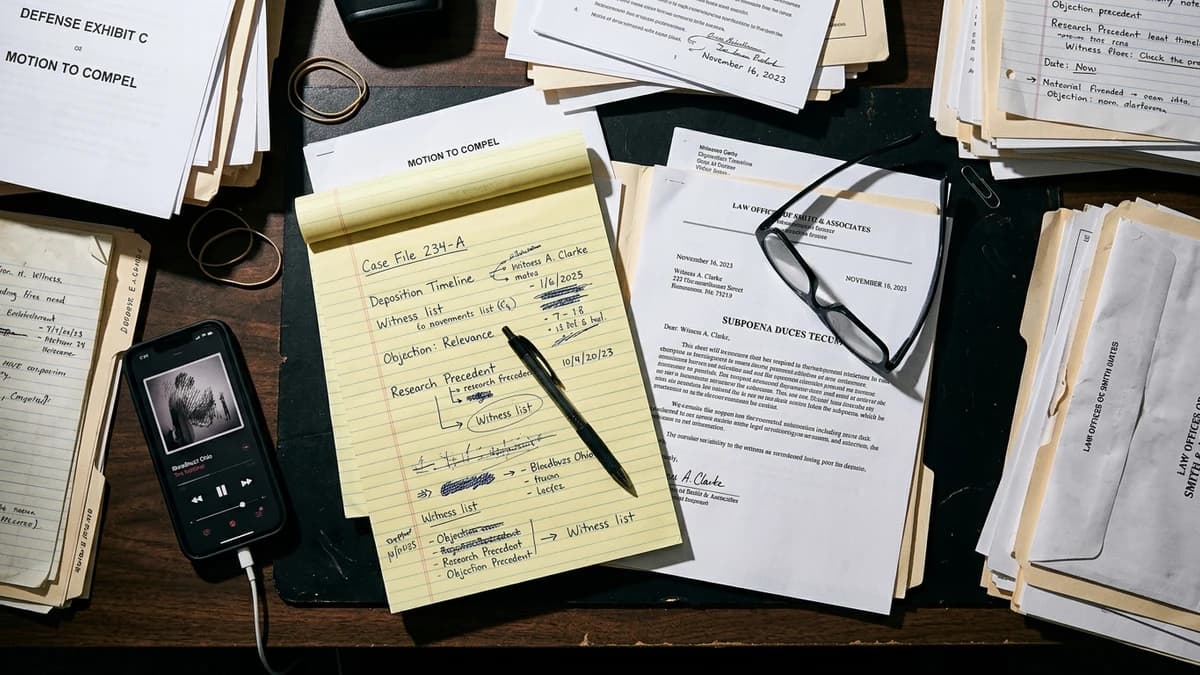
The Texas payola investigation just confirmed what indie artists have long suspected. The streaming playlist system may be rigged. On April 22, 2026, Texas Attorney General Ken Paxton launched a formal probe into Spotify, Apple Music, Pandora, Amazon Music, and YouTube Music. He claims undisclosed money deals are buying playlist spots and higher rankings. Spotify's stock dropped about 3% on the news. For indie artists with no label cash to buy algorithmic favour, this could be the biggest regulatory move in streaming history.
The probe centres on a practice the music industry banned 70 years ago: payola — paying for promotion without telling anyone. But in 2026, the radio DJ handing out favours has been replaced by algorithms. Programs like Spotify's Discovery Mode let artists trade lower royalties for more visibility. The Texas AG has issued Civil Investigative Demands (the legal version of subpoenas) to all five platforms. The findings could change how music discovery works.
What Texas Is Actually Investigating
The Texas payola investigation targets one key question. Have streaming services made secret money deals with labels, promoters, or others to boost visibility and playlist spots? Are they breaking Texas law?
"Music artists deserve to compete on a level playing field, not one distorted by bribes," Attorney General Paxton stated. He added that listeners deserve to know why certain songs are recommended. If any platform is taking bribes to push content, they will face consequences.
The probe covers several forms of modern payola:
- Secret label deals: Hidden promo perks bundled into licensing contracts. Labels accept lower royalty rates in return for algorithmic boosts of their artists.
- Discovery Mode: Spotify's program where artists get an algorithmic push but accept a 30% cut in royalties. It's publicly known — but it may still be illegal under payola laws (laws banning pay-for-play in music promotion).
- Third-party playlist payments: Paying playlist curators and influencers to feature tracks without saying money changed hands.
- Recommendation manipulation: Money deals that shape what shows up in "Discover Weekly," "Release Radar," and other playlists.
Key fact: Spotify's Discovery Mode is publicly known. It even has its own website. But being open about the program's existence doesn't shield it from anti-payola statutes. These laws ban undisclosed payments for promotion. A 2025 class action lawsuit already called Discovery Mode "the latest form of payola" and "unlawful." Could Spotify's openness still count as a legal violation? That's what the probe aims to answer.
Why This Matters More Than Any Previous Streaming Controversy
The Texas payola investigation is different from past complaints. It carries real legal force. Civil Investigative Demands work like subpoenas. Platforms must hand over internal messages, financial records, and details about their algorithms.
Before this, challenges to streaming fairness came from artists, advocacy groups, and journalists. This is the first time a state attorney general has used formal powers to check if music discovery on streaming platforms is corrupt.
For indie artists, the stakes are enormous. Look at the maths:
- Spotify pays about $0.003–$0.004 per stream at standard rates.
- Under Discovery Mode, artists accept a 30% royalty cut. That drops pay to roughly $0.002–$0.003 per stream.
- An artist needs about 250,000 streams to earn $1,000 at standard rates.
- Under Discovery Mode, that same $1,000 takes about 350,000+ streams.
In short, artists pay for discovery by earning less per stream. If secret deals between major labels and platforms tilt the field further, indie artists face a game stacked against them at every level.
"Payola is the practice of receiving compensation in exchange for preferential promotion without proper disclosure. Such conduct is prohibited by federal law." — Texas Attorney General's Office, official statement on the streaming payola investigation
The Historical Parallel: 1950s Radio Payola vs 2026 Streaming Payola
The comparison to 1950s radio payola isn't just a talking point. It's exact. Back then, labels paid DJs and programme directors to play certain songs. The best music didn't always get airtime. The label that paid the most won. Congress banned the practice with anti-payola laws in 1960.
Streaming payola uses different tools but gets the same result:
- Radio payola (1950s): Cash to DJs → songs get played → artists backed by big labels dominate the airwaves.
- Streaming payola (2026): Licensing perks, algorithmic boosts, playlist payments → songs get recommended → artists backed by big labels dominate discovery.
The core unfairness hasn't changed. Money, not merit, decides who gets heard. For indie artists without big promotion budgets, the outcome is the same in 2026 as it was in 1956. Their music gets buried, no matter how good it is.
Rapper RBX filed a class action suit against Spotify in 2025. He accused the platform of ignoring stream manipulation used by superstar artists. His suit claimed Drake was among those who benefited. This adds another layer to the growing legal battles around streaming fairness.
What a Fair Discovery System Actually Looks Like
The Texas payola investigation shows a basic flaw in ad-supported and subscription streaming. When revenue comes from ads and subscriptions — not from per-play value — the goal is to boost engagement, not to reward quality or fairness.
Compare the two models:
- Streaming platforms: Revenue pooled → split by market share → big labels get better terms → algorithms favour engagement → artists with money buy visibility → indie artists lose out.
- Direct tipping (TipTop model): Each play costs $0.01 → 67% ($0.0067) goes straight to the artist → no playlist algorithm to bribe → no "discovery mode" that cuts your pay → every play is a real person choosing to listen → zero fake plays because each one needs a real payment.
On TipTop, there's no algorithm to bribe. No secret deal can push your track into someone's playlist. When a listener plays your song, they chose to. Most of their payment goes to you. No middleman. No payola. No system to game.
The maths is simple: On Spotify, you need 250,000 streams to earn $1,000. On Discovery Mode, you need 350,000+. On TipTop, 150,000 plays earns $1,000 — and every single play comes from a real person who chose to tip you. No fake streams dilute the pool.
What Happens Next: Timeline and Implications
The Texas payola investigation is still early. But its path is clear:
- Documents demanded: All five platforms must hand over internal records, messages, and financial details about promo deals.
- Parallel lawsuits: Several class actions against Spotify are moving through courts. These include the Discovery Mode payola suit and the RBX stream manipulation suit.
- Political momentum: A Republican attorney general is leading this. It's not partisan. That makes federal legislation more likely.
- Industry reaction: Spotify shares fell ~3% on the news. Investors clearly take the threat seriously.
- Artist mobilisation: Indie artist groups are likely to file amicus briefs (legal opinions from outside parties) and testify about how algorithmic manipulation hurts their income.
What if the probe finds systemic hidden deals? Consequences could range from Texas fines to new federal laws updating anti-payola rules for the streaming age. Either way, the debate over music discovery — and who profits from it — has shifted for good.
For indie artists, the message is clear. The system you've been competing in may have been rigged from the start. The platforms that promised to open up music may have rebuilt the same pay-to-play gates that radio had — just with algorithms instead of DJs.
Support Artists Directly — No Payola Required
On TipTop, every play is a tip. 67% goes to the artist. No algorithms to buy, no discovery modes that cut your pay, no fake streams. Just real fans supporting real music.
Start Tipping Artists TodayFrequently asked questions
What is the Texas payola investigation about?
Texas Attorney General Ken Paxton launched a formal investigation on April 22, 2026, into Spotify, Apple Music, Pandora, Amazon Music, and YouTube Music. The investigation examines whether these platforms have entered into undisclosed financial arrangements with record labels, promoters, or third parties to boost visibility, playlist placement, or recommendation rankings in violation of Texas law. Civil Investigative Demands have been issued to all five platforms.
Is Spotify's Discovery Mode considered payola?
That's a central question in the investigation. Spotify's Discovery Mode lets artists and labels accept a 30% royalty discount in exchange for an algorithmic boost in recommendations. While the program is publicly documented, a class action lawsuit filed in 2025 alleged it represents the latest form of payola and is unlawful and deceptive. Federal payola laws prohibit receiving compensation for preferential promotion without disclosure — the legal question is whether Discovery Mode's structure violates these statutes.
How does streaming payola affect independent artists?
Independent artists without major-label promotion budgets are systematically disadvantaged when financial arrangements determine playlist placement. Under standard Spotify rates, artists earn $0.003-$0.004 per stream. Under Discovery Mode, that drops to roughly $0.002-$0.003 per stream. If major labels also negotiate undisclosed promotional benefits in licensing deals, independent artists face a discovery system where money, not musical merit, determines who gets heard — recreating the same unfairness that 1950s radio payola laws were designed to prevent.
What are Civil Investigative Demands?
Civil Investigative Demands are the equivalent of subpoenas issued by a state attorney general. They require companies to hand over internal communications, financial records, contracts, and other documentation relevant to the investigation. All five streaming platforms — Spotify, Apple Music, Pandora, Amazon Music, and YouTube Music — must comply with the Texas AG's demands and provide evidence about their promotional and financial arrangements with music companies.
Could the Texas investigation lead to changes in how streaming platforms work?
Yes. If the investigation uncovers systematic undisclosed financial arrangements that violate anti-payola laws, consequences could range from Texas-specific enforcement actions and fines to federal legislation updating anti-payola statutes for the streaming era. Spotify's stock dropped approximately 3% on the announcement, indicating investors take the regulatory threat seriously. The bipartisan nature of the investigation — led by a Republican AG — makes broader federal action more likely.