Why More Than 70,000 People Turned Out for Amapiano
Will Lisil
Start with the low end. The signature of amapiano is the log drum, a percussive bass that bounces around the beat instead of sitting on it, under jazzy piano chords at a relaxed 110 to 115 beats per minute, as EDMProd explains in its guide to the genre. Once you hear it, you will start hearing it everywhere.
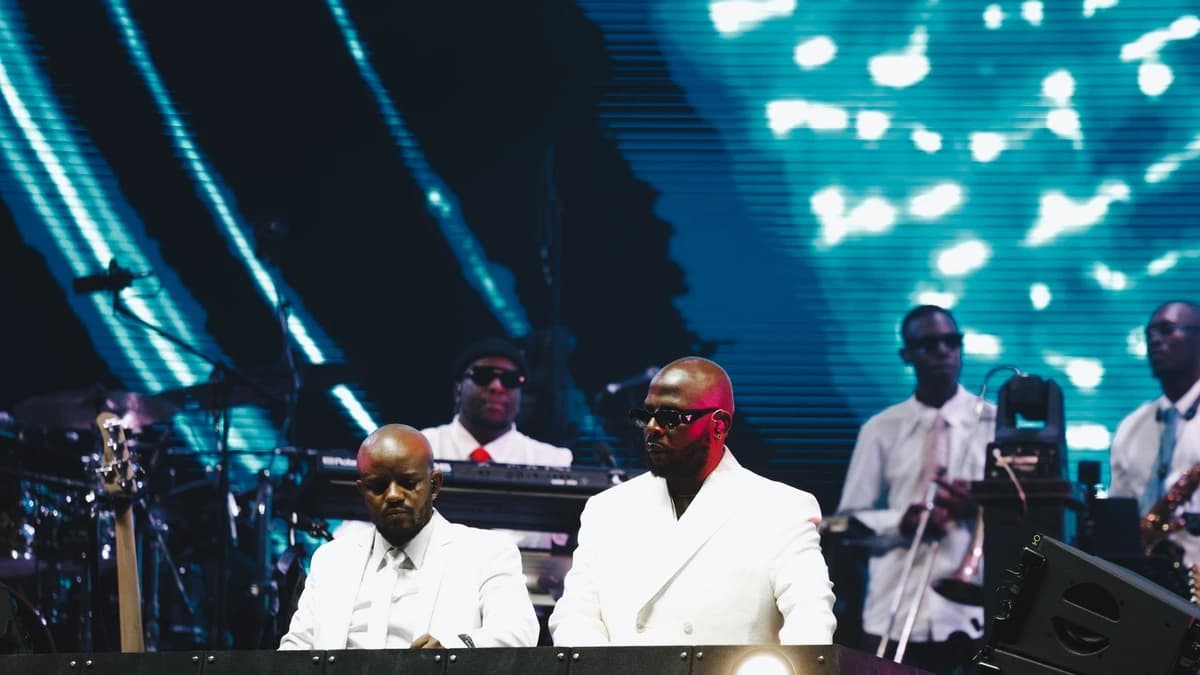
On Saturday 19 September, more than 70,000 people gathered at FNB Stadium for Scorpion Kings Live: A Family Affair, the stadium show built around Kabza De Small and DJ Maphorisa, as TIME Africa reported. For a sound that grew out of Gauteng province in the early 2010s, it was a clear measure of how far amapiano has travelled. If you are new to it, this guide is where to start.
What the Name Means and Where the Sound Came From
Amapiano loosely translates from isiZulu as "the pianos", a nod to the jazzy keyboard melodies and soft chord progressions that sit on top of the rhythm, according to the African Music Library history of the genre.
Its roots run through three decades of South African dance music. Kwaito, the slow, bass-heavy sound of the 1990s and early 2000s, fused house with township slang and local rhythms, and artists such as Mandoza, Zola and TKZee shaped a generation with it. Bacardi house added a raw township sound built on DIY production and heavy percussion, and deep house became a pillar of South African nightlife. In the early 2010s, producers in Gauteng province began slowing the tempo, adding jazzier melodies, atmospheric pads and thick log drums. That fusion became amapiano.
There is no single founding moment, and who pioneered it is still debated. Some credit Pretoria producers and DJs such as Kabza De Small and DJ Maphorisa with refining and popularising the sound, while others point to underground producers around Gauteng's townships who were working with similar textures years earlier. What is clear is that by the mid-2010s the sound was impossible to ignore.
The Log Drum Is the First Thing to Listen For
Amapiano is usually described as a subgenre of house, but it breaks some of house music's habits. EDMProd notes that most tracks sit at 110 to 115 beats per minute, noticeably slower than most house, and that the beat is usually syncopated and shuffled rather than a steady four-on-the-floor kick. Congas, shakers and bongos are common.
The bassline is the defining sound. The log drum is a percussive bass played in off-beat patterns, and in club-focused tracks it is layered over a sub-bass for extra weight. The African Music Library describes the result as a low-frequency bounce that immediately sets amapiano apart from other dance music.
On top sit sampled jazz chords, soulful vocals and traditional instruments, sometimes with street sounds or background chatter mixed in. Vocals are often in isiZulu, isiXhosa and Sesotho, with English on tracks aimed at a wider audience, and plenty of amapiano is purely instrumental. Songs also run long: many stretch beyond six minutes and are built on patient progression rather than quick pop structures, so give a track time before you decide whether it is for you.
How It Spread Without Waiting for Radio
Amapiano did not rise through a major-label campaign. Before streaming playlists embraced it, long DJ mixes circulated through taxis, street vendors, Bluetooth transfers and WhatsApp groups, and producers uploaded hour-long mixes to YouTube channels and local blogs, according to the African Music Library. Dancers on social media helped turn tracks into movements, and dance challenges pushed the sound further still.
The numbers followed. TIME Africa cites Spotify figures showing a 114,377% increase in global amapiano streams between 2018 and 2024. By the early 2020s Nigerian artists such as Mayorkun and Zinoleesky were building amapiano rhythms into pop records, and festivals from Afro Nation in Portugal to Piano Invasion in Italy were booking amapiano DJs alongside global electronic acts.
The live side has grown to match. TIME Africa notes that the Scorpion Kings' 2025 show at Loftus Versfeld in Pretoria drew more than 50,000 people, a year before the move to FNB Stadium, where the bill also included Focalistic, Daliwonga, Kamo Mphela, Young Stunna, Nkosazana Daughter and Toss.
Start With the Producers Who Built It
Kabza De Small is the obvious first stop. Often called the "King of Amapiano", he broke through with the 2018 single "Umshove", according to EDMProd, and his debut album, I Am the King of Amapiano: Sweet & Dust, was certified double platinum. His partnership with DJ Maphorisa as the Scorpion Kings helped carry the sound into the mainstream.
From there, pick a direction. Vigro Deep leans towards deep house, with dark, moody tracks that build over six or seven minutes, while Focalistic blends amapiano with hip-hop and mixes English with South African languages. Mr JazziQ, who started out as one half of JazziDisciples, released an album called 0303 in March that OkayAfrica described as a curatorial masterpiece. Kelvin Momo, whom OkayAfrica calls a tireless master of the private-school strain of amapiano, is the name to know for that side of the sound.
Six Tracks to Play First
- "Umshove", Kabza De Small. The 2018 single that EDMProd identifies as his breakthrough, and a good way to hear where the mainstream sound began.
- "Wololo", Mr JazziQ, Focalistic and Vigro Deep with Fredy K and M.J. OkayAfrica calls it a quintessential sgija banger, with Focalistic's easy-going raps on top.
- "Mngani Wami", JayJayy and Mordecai. Soulful amapiano about the warmth of friendship, the kind of track OkayAfrica says works at a party or at home on a Sunday.
- "Khanya Njalo", Kabza De Small and Zawadi Ya Mungu. A single from his album TUTU. OkayAfrica describes the song as an affirmation, with an interesting trick on the log drum.
- "Imizamo", Warren Justin, Tonic Blue and Kelvin Momo. An inspirational reminder that tough times do not last, and an easy entry to Kelvin Momo's side of the genre.
- "Shela", Sam Deep. The song OkayAfrica says carried the genre's momentum from the end of 2025 into this year.
Play them in that order and you move from the sound's commercial core to its club side and its softer, more soulful corners. Listen for the log drum each time: it changes character from track to track, and that is where much of the craft lives.
What Amapiano Sounds Like Now
The genre has spent the year answering the same question. In February a viral claim that amapiano had fallen off set off a debate, and artists and listeners responded by pointing to the sheer volume of new music, as OkayAfrica reported. DBN Gogo then staged a 24-hour DJ marathon that OkayAfrica called a huge success, while Kelvin Momo planned a one-man concert that had to be stopped because of bad weather.
The strands have names worth knowing. Private school piano is the strain OkayAfrica associates with Kelvin Momo. Soulful amapiano, which OkayAfrica describes as a descendant of deep house, is where duos such as JayJayy and Mordecai work. Sgija is the name behind club tracks like "Wololo", and OkayAfrica has even flagged a newer lane called stance, which draws on both sgija and private school piano. The African Music Library adds that producers keep stretching the sound towards Afrobeats, gospel, Afro-house and hip-hop.
That last direction is the one to watch. OkayAfrica reports that Kabza De Small and DJ Maphorisa previewed Afro-house explorations this year, and that critics questioned why they had chosen Afro-house over the amapiano they are known for. On the evidence of Saturday at FNB Stadium, the audience for amapiano is not going anywhere.
How to Listen Your Way In
A simple route works best. Start with one long DJ mix, the way the sound first spread, and listen for the log drum rather than the vocals. Then pick one producer from each lane: Kabza De Small for the mainstream sound, Vigro Deep for the deep end, Focalistic for the rap crossover and Kelvin Momo for private school piano. Headphones or a decent speaker help, because so much of the character sits in the low end.
If you enjoy tracing how genres travel, our guide to how afrobeats went from underground to global tells a neighbouring story. Amapiano took its own road, carried by mixes and dancers long before radio caught up, and on Saturday that road led to a stadium.
Frequently asked questions
What is amapiano?
Amapiano is a South African subgenre of house music that emerged in Gauteng province in the early 2010s. It is built on the log drum, a percussive bass, with jazzy piano chords at around 110 to 115 beats per minute.
What does amapiano mean?
The word loosely translates from isiZulu as "the pianos", a reference to the jazzy keyboard melodies and soft chords in the music.
Who are the Scorpion Kings?
The Scorpion Kings are Kabza De Small and DJ Maphorisa, two of the producers most associated with amapiano's rise. More than 70,000 people attended their FNB Stadium show on 19 September.
What amapiano should I listen to first?
Try Kabza De Small's Umshove, then Wololo by Mr JazziQ, Focalistic and Vigro Deep, Mngani Wami by JayJayy and Mordecai, and Imizamo featuring Kelvin Momo.
What is the log drum in amapiano?
The log drum is a percussive bass sound played in off-beat patterns. It gives amapiano its low-frequency bounce and is often layered over a sub-bass in club tracks.