Playlist Curators Are Earning Real Money — How the Fan Economy is Reshaping Music
Will Lisil
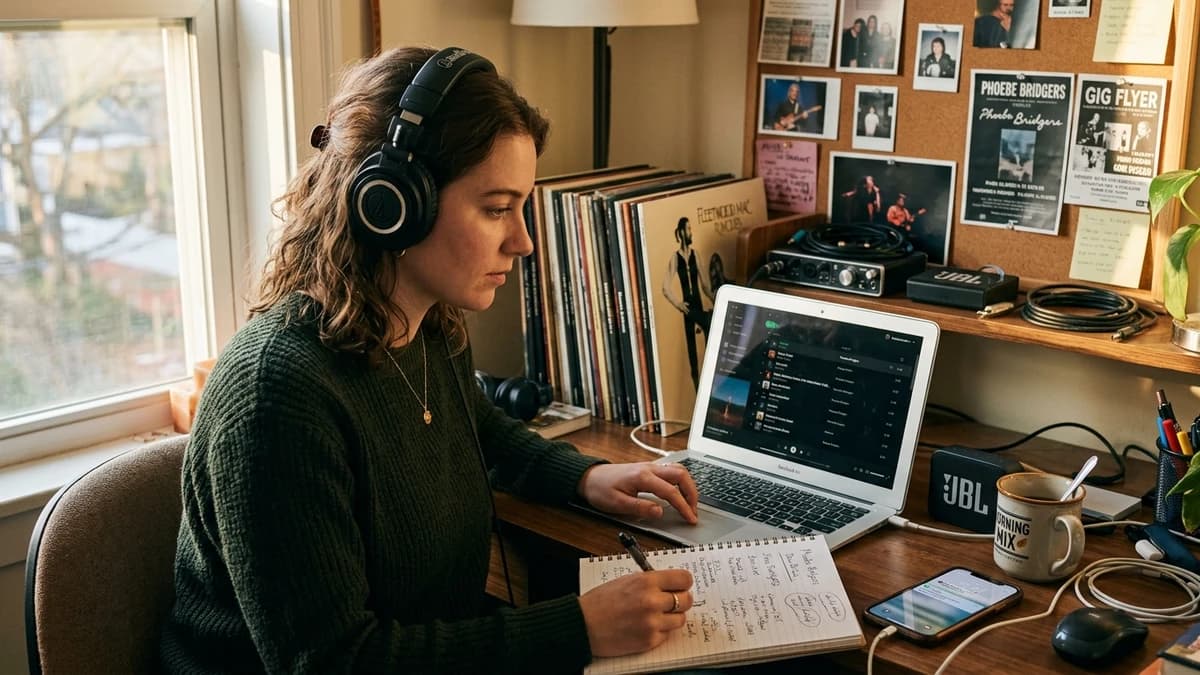
Playlist curators earning money fan economy style might have seemed far-fetched five years ago. Today, it's a real career path. Curators earn measurable income, work on recognized platforms, and ride a wave of change. The music business is shifting fast — from passive listening to active support.
For the first time ever, streaming revenue grew slower than the overall music industry in 2025. The IMS Business Report at IMS Ibiza on April 22, 2026 confirmed this shift. MIDiA Research founder Mark Mulligan pointed out that the biggest growth came from expanded rights. Think merchandise, live events, sponsorships, and physical sales — not streaming subscriptions. The message? Listening alone no longer drives the fastest growth.
The Streaming Plateau and What Comes Next
Using inflation-adjusted RIAA numbers, U.S. streaming revenue stayed flat from 2023 through the first half of 2025. Total revenue actually dropped 1.7% from early 2024 to early 2025. Forbes contributor Bill Rosenblatt wrote in December 2025 that "2026 could be the year when music services like Spotify, Apple Music, YouTube Music, and Deezer level off in their industry impact."
Global streaming subscriptions keep climbing. They reached 837 million paid users according to IFPI's 2026 Global Music Report. But that growth comes mostly from the Global South, where prices are much lower. In Western markets, the old model has hit a ceiling.
This is where the fan economy enters the picture. MIDiA Research describes a shift from a "consumption economy" — where passive streams pay fractions of a cent — to a "fan economy." In this new model, listeners spend actively. They buy merchandise, tip artists, make direct purchases, and pay for curated experiences. Labels are spreading their bets, and artists want closer ties with their audiences.
Playlist Curation as a Legitimate Career
Within this broader shift, playlist curators earning money fan economy roles have become a distinct career. The numbers are real. Multiple platforms document these earnings clearly.
PlaylistProfit reports that top curators earn $500 to $5,000 or more per month. They build engaged playlists and help artists get discovered. The platform notes that 80% of music discovery now happens through playlists. That makes curators essential middlemen between artists and listeners.
Playlist Push, one of the largest curator networks, pays up to $15 per song review. Curators with quality playlists and real followers earn steady income just by listening to submissions and giving honest feedback. Over 1,000 verified curators earn through this model.
OnesToWatch published a full career guide in March 2026. Entry-level curators earn $500 to $1,500 per month from playlist submissions alone. Experienced curators reach $3,000 to $5,000 monthly. Salaried roles at streaming platforms and labels pay $35,000 to $65,000 per year.
How curators build income streams
The modern playlist curator stacks multiple revenue sources. The OnesToWatch guide breaks these down:
- Playlist submissions — $200 to $1,500 monthly, needing 1,000+ playlist followers and 10 to 15 hours per week
- Brand partnerships — $500 to $3,000 monthly for curators with 5,000+ engaged followers
- Consulting services — $1,000 to $5,000 monthly for curators with proven track records and industry connections
How long does it take? Most curators hit their first $100 to $500 monthly within three to six months. Those who go all in — posting daily music finds on social media, teaming up with emerging artists, and keeping high playlist standards — often reach $2,000 to $5,000 within a year.
The jump from casual listener to earning curator mirrors a wider economic shift in music. TipTop explains exactly how playlisters turn taste into income through its commission structure.
Why the Fan Economy Favours Curators
The fan economy rewards active input over passive listening. When a curator builds a playlist that listeners trust, they become more than an algorithm. They become a tastemaker whose judgment carries real value. This trust turns directly into earning power.
MIDiA Research data shows that the average superfan spends about $52 per year supporting their favourite indie artist beyond standard streaming. These fans save every release, follow on multiple platforms, and gladly pay for exclusive access. Curators who connect these superfans with the right artists create clear value for everyone.
The IMS Business Report confirms this trend. It notes that "the wider music industry sees fandom as how much money can we make out of our customers." But for indie artists and the curators who champion them, fandom means something deeper. It's the base of lasting careers built on genuine connection — not algorithmic luck.
So what does this look like in practice? Platforms built around direct fan support are growing fast. They align curator and artist interests perfectly. When every play carries direct economic value, curators stop being passive gatekeepers. They become active players in artist revenue.
At TipTop.music, we take a different approach to curator pay. Every play is a direct tip — 67% goes to the artist, and playlisters earn 10% of all tips paid through their playlists. This means curators aren't just deciding who gets heard. They're active economic partners whose taste directly earns money for the artists they champion. The model flips curation from a side hustle built on submission fees into a true revenue-sharing deal. Curators earn in proportion to the value they create for listeners and artists alike.
Challenges and Realities
The path to earning as a curator isn't free of obstacles. Competition is fierce — millions of playlists exist on Spotify alone. The risks go beyond just competition. Streaming fraud convictions show what happens when shortcuts replace genuine audience building. Growing a following takes daily effort — fresh content, weekly playlist updates, and real engagement with both artists and listeners.
Quality control matters hugely. Curators who accept bad submissions for quick cash hurt their reputation and long-term earnings. Recent events like the Texas payola investigation show how shady practices damage the whole ecosystem. The best curators keep high standards. They turn down tracks that don't fit their playlist's identity — no matter the payment.
Platform dependency is another real worry. Curators who build only on one platform risk losing everything if algorithms change or policies shift. Spreading across multiple platforms and building direct connections through email lists and social media helps reduce this risk.
AI-driven curation tools also create both competition and opportunity. AI can surface picks at scale. But human curators still bring context, find unexpected connections, and protect the diversity that algorithms tend to flatten through pattern repetition.
Getting Started as a Curator
Want to enter the field? The barriers are low, but the standards for success are high. Here's what works:
- Choose a focused niche — Mood-based playlists built around emotions (not just genres) are trending. Try specific niches like "late-night introspection" or "creative focus" instead of broad categories
- Build with intention — Start with 25 to 50 tracks. Update weekly with 3 to 5 new songs and cut underperformers. Strong titles with searchable keywords boost discovery
- Create consistent content — Post daily music finds on social platforms. Explain your picks. Share behind-the-scenes content about how you hunt for music
- Network with artists — Feature emerging artists for free first. Build trust and relationships. This opens premium submission doors later
- Join curator communities — Playlist Push and SubmitHub offer structured earning paths. Discord groups and music forums connect curators with submission pipelines
Every successful curator shares one key insight: genuine passion for finding music, paired with business discipline and steady output, builds lasting income over time.
Frequently Asked Questions
How much can playlist curators realistically earn?
Entry-level curators typically earn $500 to $1,500 per month from playlist submissions within six months. Experienced curators with strong followings reach $3,000 to $5,000 monthly through combined submission fees, brand deals, and consulting. Full-time roles at streaming platforms pay $35,000 to $65,000 per year.
Is playlist curation a sustainable career long-term?
Evidence suggests yes — as long as curators spread their income sources and build audiences on multiple platforms. The shift from consumption economy to fan economy boosts demand for trusted human curation as a balance to algorithmic picks.
Do curators need music industry experience to start?
No. Most successful curators started as passionate listeners who grew their taste through steady engagement. Credibility comes from showing real curation skill — playlist quality, artist discoveries, and audience growth numbers speak for themselves.
How does the fan economy benefit independent artists?
The fan economy moves beyond per-stream fractions of a cent toward direct fan spending. When listeners choose to support artists through tips, merch purchases, and premium content, each fan relationship becomes far more valuable. Platforms that enable direct support give artists more control over their income.
What platforms are best for new curators?
Spotify remains key for playlist building and audience growth. Playlist Push and SubmitHub offer structured earning through paid submissions. Social platforms like TikTok and Instagram drive visibility. Direct-support platforms like TipTop let curators earn from the music they share through revenue-sharing models.
Key takeaways
- Streaming revenue growth has slowed in Western markets for the first time, with U.S. streaming revenue flat from 2023 through 2025 when adjusted for inflation
- The music industry is pivoting from a "consumption economy" to a "fan economy" where active support drives growth
- Playlist curators earning money fan economy careers are documented across multiple platforms, with income from $500 to $5,000+ monthly
- 80% of music discovery happens through playlists, making trusted human curators more valuable than ever
- The fan economy rewards platforms that align curator, artist, and listener interests through direct economic participation
Support Artists Directly on TipTop
The fan economy isn't a future prediction — it's happening now. Every playlist you curate, every artist you champion, and every listener you connect with great music helps build a healthier creator ecosystem. On TipTop, that contribution isn't abstract. Every play is a tip. Every curator earns from the music they share. Every artist gets direct support from real listeners. Start curating on TipTop and join the shift from passive streaming to active support.
Frequently asked questions
How much can playlist curators realistically earn?
Entry-level curators typically earn $500 to $1,500 per month from playlist submissions within their first six months. Experienced curators with strong followings reach $3,000 to $5,000 monthly through combined submission fees, brand partnerships, and consulting. Full-time roles at streaming platforms pay $35,000 to $65,000 annually.
Is playlist curation a sustainable career long-term?
The evidence suggests yes, provided curators diversify income streams and build audiences across multiple platforms. The shift from consumption economy to fan economy increases demand for trusted human curation as a counterbalance to algorithmic recommendations.
Do curators need music industry experience to start?
No formal experience is required. Most successful curators started as passionate listeners who developed their taste through consistent engagement. Credibility comes from demonstrating genuine curation skill through playlist quality, artist discoveries, and audience growth metrics.
How does the fan economy benefit independent artists?
The fan economy moves beyond per-stream fractions of a cent toward direct fan spending. When listeners actively choose to support artists through tips, merchandise purchases, and premium content, the value of each fan relationship increases dramatically. Platforms that enable direct support give artists more control over their revenue.
What platforms are best for new curators?
Spotify remains essential for playlist building and audience growth. Playlist Push and SubmitHub offer structured earning through paid submissions. Social platforms like TikTok and Instagram provide visibility. Direct-support platforms like TipTop enable curators to earn proportionally from the music they share through revenue-sharing models.